Stainless steel has a reputation for being tough and easy to clean, so it can be a surprise to find a cloudy film, white spots or even orange-brown marks on your pet's bowl. Most of the time these marks are a cleaning and water issue rather than a sign that something is wrong with your pet's health, but a few cases deserve a closer look. This post explains the common causes, how to clean the bowl safely, and when it makes sense to retire it.
What those spots usually are
White or cloudy film
A chalky white film is often mineral buildup from hard water. When water evaporates from the bowl, dissolved minerals can stay behind. If you live in an area with hard water, you may see this more often. It is generally a cosmetic issue, and a soak and scrub often removes it.
A slick, dull or greasy layer
A film that feels slippery is usually a mix of saliva, food oils and bacteria sometimes called biofilm. It builds up when bowls are only rinsed instead of washed. A cloudy look combined with a slimy feel points to this. Regular washing with soap and hot water removes it. Our guide to how often to clean your dog's bowl suggests a simple routine.
Rust-colored or orange-brown spots
Stainless steel resists rust, but it is not completely rust-proof. Spots can appear if the bowl sits in standing water for long periods, if it is exposed to harsh chemicals such as bleach for too long, or if it touches iron or steel objects that leave tiny particles behind. Lower-grade steel may also be more prone to marks. Sometimes what looks like rust on the bowl is actually a stain that transferred from another item, such as a wet metal tray or a scouring pad.
Scratches and pitting
Steel wool and abrasive scrubbers can scratch the surface. Scratches can trap food and bacteria and make it harder to get the bowl clean. If you see deep scratches or small pits, that is a reason to consider replacement.
How to clean a stainless steel bowl safely
- Wash daily. Use warm water, dish soap and a soft sponge or brush. Rinse well so no soap is left behind.
- Treat mineral spots with vinegar. Soak the bowl in a mix of equal parts white vinegar and water for about 15 to 30 minutes, then scrub gently and rinse thoroughly. Many people find this works well on hard water film.
- Use baking soda for stubborn residue. A paste of baking soda and water on a soft sponge can lift stuck-on grime without scratching much. Rinse well.
- Dry completely. Leaving the bowl wet or stacked with other damp items can encourage spotting. Towel dry or let it air dry upside down.
- Use the dishwasher if you like. MessMate stainless steel pieces are food-grade and dishwasher safe on the top rack. If you are unsure how to load a bowl, our post on whether dog bowls can go in the dishwasher has tips.
Avoid steel wool, harsh abrasives and leaving chlorine bleach in contact with the bowl. If you ever use a disinfectant, rinse the bowl very well before filling it again, and follow the product label.
Do the spots mean the bowl is unsafe?
We are not able to give medical or safety advice for individual pets, and each bowl is different. As a general rule, a bowl that cleans up well, has a smooth surface and shows no deep damage can usually keep going. If the bowl is heavily rusted, pitted, dented in a way that traps food, or will not come clean after a good wash, replacing it is the simple, cautious choice. If your pet has a skin issue around the chin or mouth, or any digestive upset, your veterinarian is the right person to ask about it. They can tell you whether the bowl could be a factor.
How to prevent spots from coming back
- Do not leave water sitting for days. Refill with fresh water daily.
- Wash the bowl, do not just rinse it.
- Dry it after washing, especially the underside and the rim.
- Keep metal tools and scouring pads away from the bowl surface.
- If you have hard water, an occasional vinegar soak keeps the film down.
Stainless steel versus other materials
If you are comparing materials, our post on stainless steel, plastic and ceramic dog bowls goes through how each one holds up. Stainless steel is popular because it does not absorb odors and is easy to wash, but it does need basic care. You can see our selection in the stainless steel bowls collection.
What about the guard and mat?
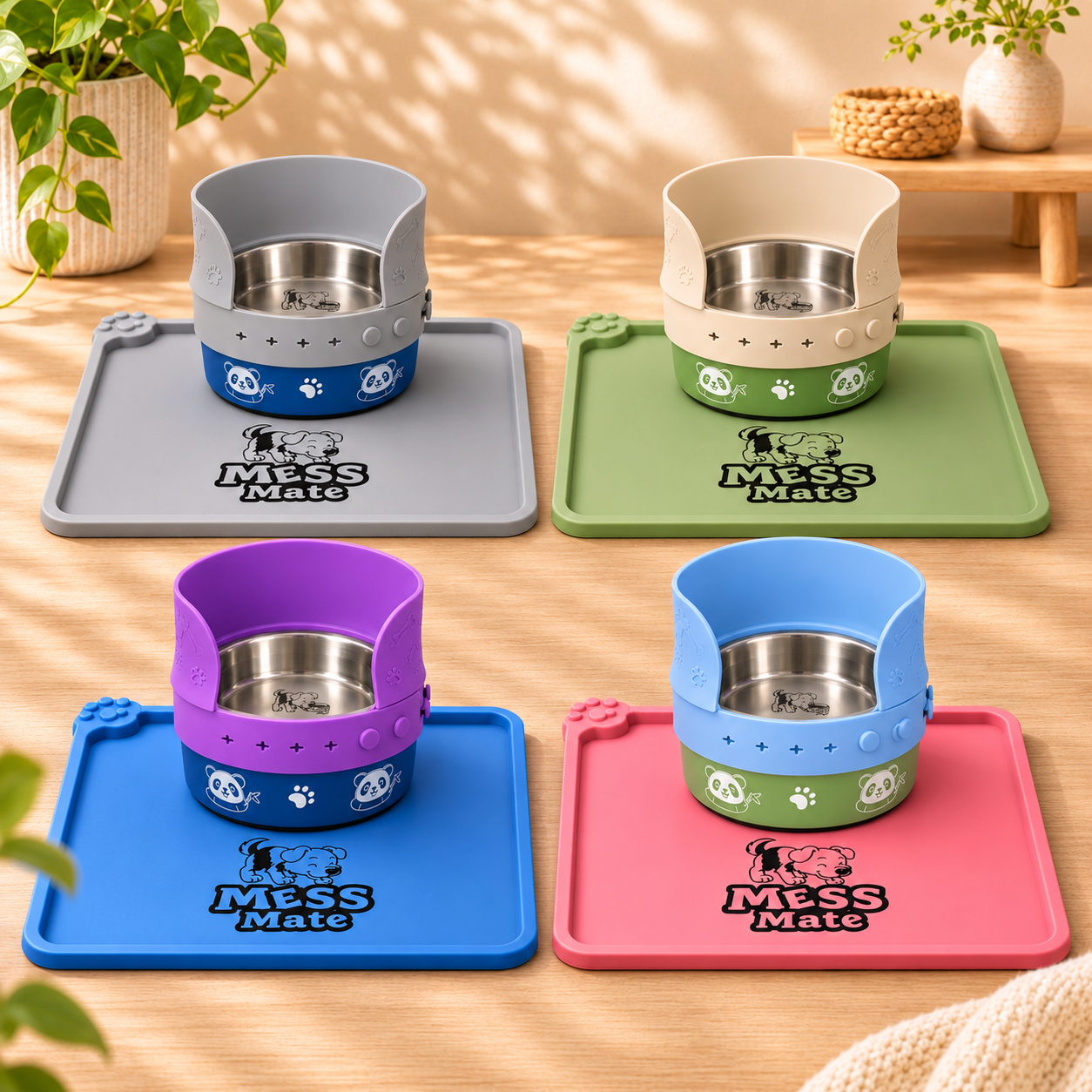
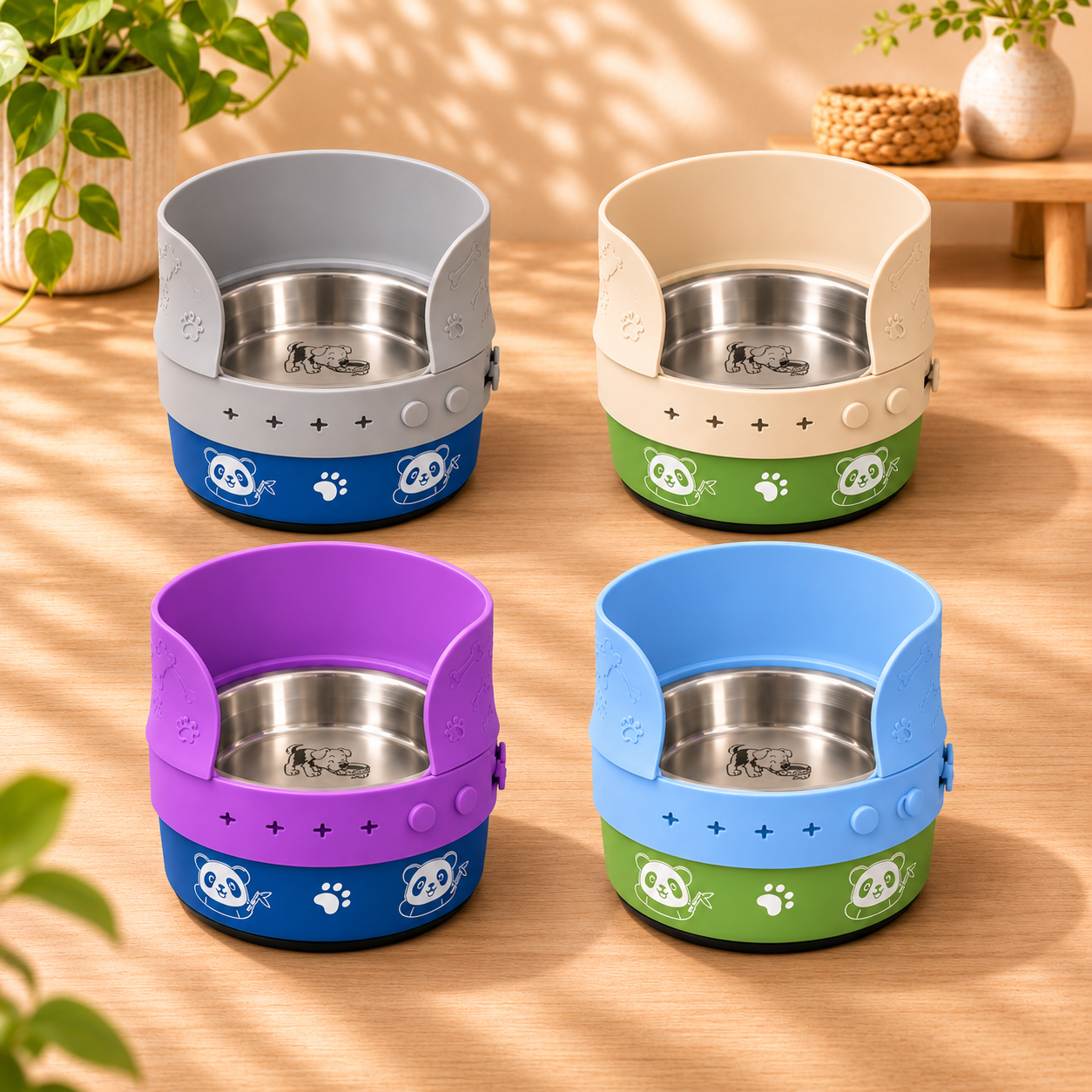
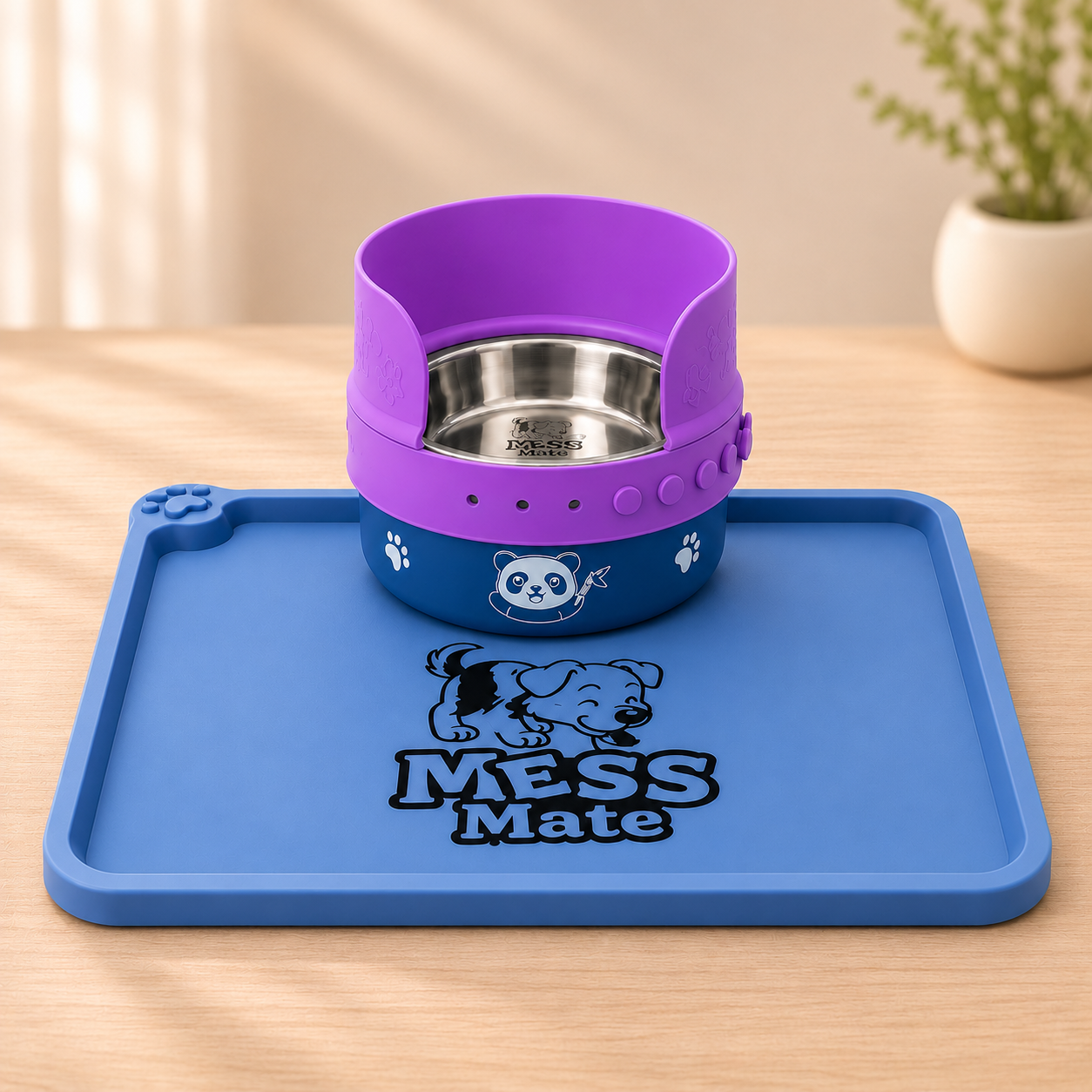
If you use a silicone splash guard or mat with your bowl, wash those too. Water and food can get trapped under the edges, which leads to odors. Silicone pieces from MessMate are food-grade and dishwasher safe on the top rack, and our guide to cleaning silicone pet bowls, guards and mats covers odor and residue. The splash guard fits round bowls 7 to 9 inches across the top opening and is not suited to bowls under 7 or over 9 inches, so use our fit guide to check before you order.
Summary
Cloudy film is usually minerals or biofilm, and rust-colored spots usually come from standing water, harsh cleaning or contact with other metal. Most marks come off with soap, vinegar or baking soda, and a bowl that stays rough, pitted or stained is worth replacing. Free U.S. shipping and 30-day returns apply to every order. Use LOYAL15 for 15% off your order. MessMate donates to animal-rescue groups in memory of Spud.